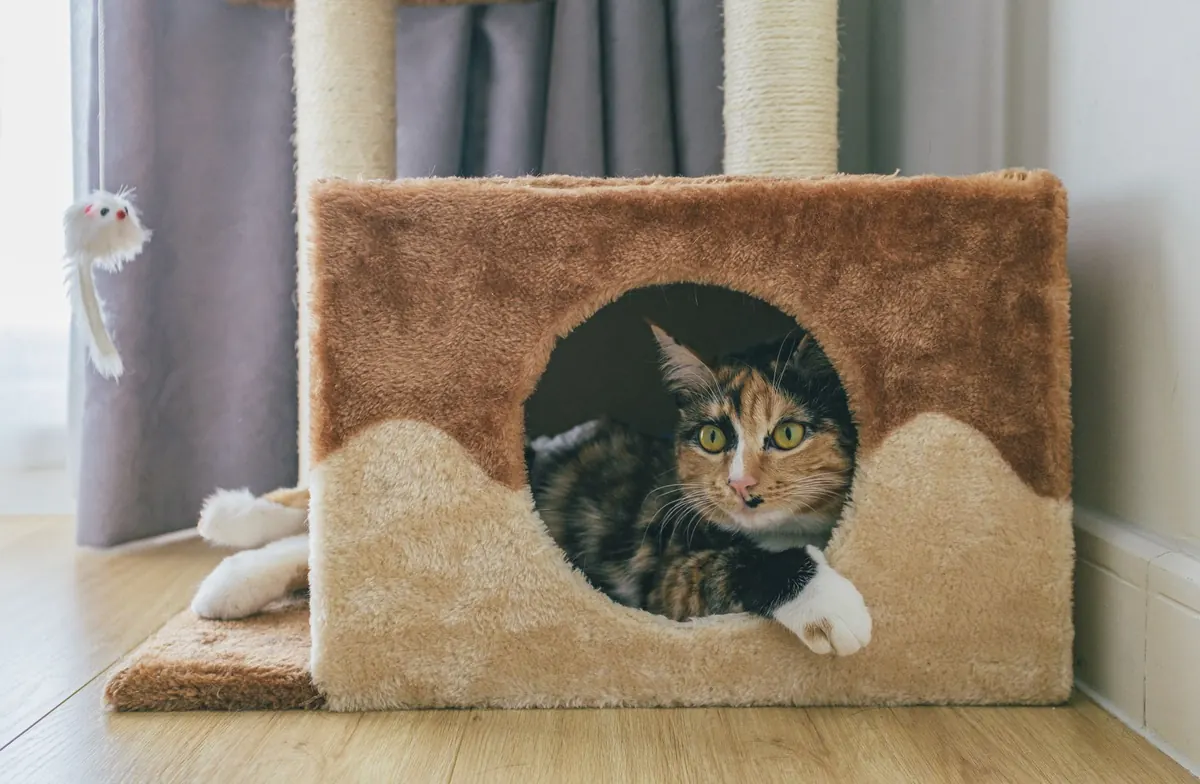
Cats are particular about a lot of things, but their relationship with water is one of the oddest. Their ancestors hunted prey that was rich in moisture, so many cats still have a low thirst drive and rarely drink enough from a bowl. That is why the wet versus dry debate matters. It is not about crowning one format as the winner. It is about matching the food to your cat's hydration, weight, teeth, and your daily routine.
Why Moisture Matters More Than You Might Think
Wet food is roughly 70 to 80 percent water. Dry kibble is closer to 10 percent. If your cat eats only dry food, most of their water has to come from drinking. Some cats do that well. Others barely touch the bowl. A cat on wet food gets a dose of water with every meal, which can make a real difference for urinary and kidney health.
That does not mean dry food is dehydrating. It means the margin for error is smaller. If your cat has a history of urinary crystals, kidney issues, or simply leaves the water bowl untouched, wet food is often the easier way to increase moisture. Always offer fresh water too. Many cats prefer wide ceramic bowls, running water, or several water stations around the house.
A quick hydration check
You cannot reliably diagnose dehydration at home. A cat who is lethargic, has tacky gums, or is producing fewer urine clumps than usual needs a vet, not a bowl of broth. For everyday prevention, keep water clean and consider adding a spoonful of warm water to wet food if your cat enjoys it.
Calories and Weight: Density Is the Difference
Dry food is calorie-dense. A small handful can carry the same energy as a much larger portion of wet food. That makes dry convenient, but it also makes overfeeding easy, especially when the bowl is topped up all day. Wet food contains more water, so the same volume delivers fewer calories. For some cats, that extra volume and moisture helps them feel full on less energy.
Wet food is not automatically low-calorie, though. Some pates and gravy-heavy recipes are rich in fat. Read the calorie statement on the label and compare foods on the same basis. Free-feeding dry food is one of the most common reasons cats gain weight. Measured meals, whether wet or dry, give you control.
How to compare calories fairly
Look at the calories per can, pouch, or cup, then calculate how much your cat actually eats. A kitchen scale is more accurate than a measuring cup for dry food. Your vet can help you estimate daily calories based on your cat's ideal weight and activity level. Weigh your cat monthly and adjust portions if the number creeps up or down.
The Real Cost of Wet vs Dry
Per calorie, wet food usually costs more than dry. Cans and pouches are heavier to ship, more expensive to package, and often sold in smaller portions. Dry food is cheaper, shelf-stable, and easy to leave out. If budget is tight, that difference matters. But cost is not only the price on the bag or case.
You can mix formats to get some of the hydration benefits without feeding wet food exclusively. Use wet food as a topper, or serve it as one or two meals while keeping measured dry food for the rest of the day. If you buy larger cans, store leftovers covered in the fridge and use them within a day or two. Discard any wet food left out at room temperature for more than an hour or two.
- Compare cost per 100 calories, not per can or bag.
- Use wet food as a topper on dry food instead of a full serving.
- Buy larger cans only if your cat will eat the leftovers safely.
- Watch for sales on trusted brands, but change foods gradually.
Dental Impact: Kibble Is Not a Toothbrush
Dry kibble has a reputation for cleaning teeth. In reality, most cats swallow kibble with very little chewing, so the abrasive effect is limited. Some dental diets are specially shaped and textured, and they may help reduce plaque and tartar. Those are not the same as ordinary dry food. Wet food does not cause dental disease by itself. Plaque forms on teeth regardless of diet.
The most reliable home care is daily brushing with a pet-safe toothpaste. If your cat will not tolerate a brush, dental wipes, gels, or vet-recommended chews can help. Check the calories in dental treats; they add up fast. Professional dental cleanings, when your vet recommends them, matter more than any kibble. If your cat has painful gums or broken teeth, wet food may be easier to eat, but the underlying problem still needs veterinary care.
Mixing Formats: A Practical Middle Ground
Many cats do well on a combination. A common approach is wet food in the morning and evening, with a measured portion of dry food during the day. Another is a dry base with a spoonful of wet food mixed in or served on top. The goal is not perfection. It is a routine your cat enjoys and you can maintain.
Transition slowly. Sudden changes can cause vomiting or diarrhea. Over seven to ten days, mix a little of the new food into the old, increasing the ratio as your cat adjusts. Watch appetite, stool, and energy. If your cat picks out one texture and leaves the rest, try warming the wet food slightly or separating the formats into different meals.
A sample mixed-feeding day
- Morning: a wet food meal.
- Midday: a small measured portion of dry food or a puzzle feeder.
- Evening: another wet food meal.
- Before bed: a small dry snack if your cat expects one.
Adjust the portions to your cat's calorie needs, not the other way around. Treats count toward the daily total.
Choosing for Your Cat
There is no single right answer for every cat. Kittens need food formulated for growth. Overweight cats often benefit from measured meals and more moisture. Seniors may need softer food or extra water support. Cats with diabetes, kidney disease, or urinary problems should have their diet guided by a veterinarian. The same goes for cats with dental pain or food sensitivities.
Start with what your cat will eat, what your budget allows, and what your schedule can support. Then measure, monitor weight and litter box habits, and adjust. Keep water fresh, offer wet food if hydration is a concern, and brush
Photo: Engin Akyurt / Pexels