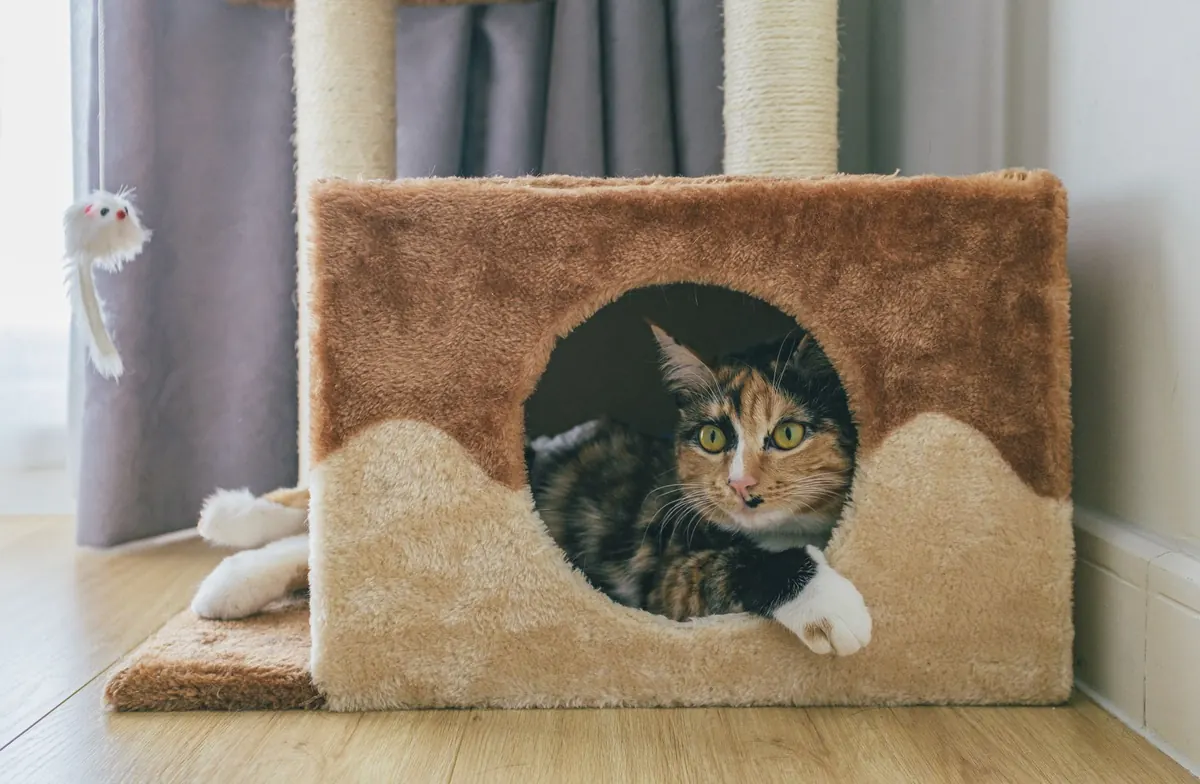
Your cat sees the toothbrush and disappears under the bed. You feel guilty, then frustrated, then guilty again. Brushing a cat’s teeth is one of those tasks that sounds simple in the vet’s office and feels impossible at home. The good news: you do not need to win a wrestling match. You need a plan that treats brushing as a skill your cat learns, not a battle you force.
The goal is not a perfect, sparkling smile by Friday. The goal is a cat who tolerates—maybe even expects—a few seconds of mouth care each day. That happens through desensitization: tiny, repeatable steps that stay below your cat’s threshold for panic. Here is how to build that plan.
Start With a Vet Check and Realistic Expectations
Before you start home brushing, have a veterinarian examine your cat’s mouth. If your cat has red gums, heavy tartar, bad breath, drooling, or pain when eating, brushing may hurt. A vet can tell you whether a professional cleaning is needed first and whether any teeth need attention. Home brushing is prevention and maintenance, not a treatment for existing dental disease.
Your cat may never love brushing. That is okay. “Tolerates” is a win. Daily brushing is ideal because plaque softens and hardens over time, but life with a cat is not always ideal. If daily brushing is impossible, aim for several times a week, and ask your vet what matters most for your cat’s specific mouth.
Gather the Right Tools Before You Touch a Tooth
You need only a few items, and none of them should be a surprise to your cat. Let your cat sniff and investigate each tool before you use it.
- A cat toothbrush or finger brush. A finger brush is softer and less intimidating at first. A small, angled cat toothbrush reaches back teeth better once your cat is comfortable.
- Enzymatic cat toothpaste in a flavor your cat likes. Poultry, malt, and seafood are common. Do not use human toothpaste.
- Gauze pads or a soft cloth. These are useful for the early stages or for cats who reject a brush.
- Treats your cat actually values. Use tiny pieces, not a full meal. The treat is payment for cooperation, not a bribe to start.
- A quiet room and a towel. A non-slip surface helps your cat feel secure. A towel can wrap a wriggly cat without trapping them.
Never use human toothpaste. It contains ingredients that are not meant to be swallowed by cats, including fluoride and detergents. Cat toothpaste is safe to swallow in small amounts, which matters because no cat rinses and spits.
The Desensitization Ladder: Six Stages, Not a Stopwatch
Think in stages, not days. Some cats move through in a week; others take months. If your cat hides, swats, or freezes, you moved too fast. Go back to the last easy stage and repeat it until your cat is bored by it.
Stage 1: Touch the Face and Lift the Lip
While your cat is relaxed, pet their cheeks and muzzle. Then gently lift one lip for one second and let go. Immediately offer a treat. Do this a few times a day. Do not put a finger inside the mouth yet. You are teaching your cat that hands near the face predict treats, not restraint.
Stage 2: Let Them Taste the Paste
Put a dab of cat toothpaste on your finger. Let your cat sniff it. If they lick it, great. If they back away, try a different flavor. Once they accept the taste, smear a tiny bit on your finger and touch it to a front tooth or the lip. Treat again. This stage is about making the paste familiar and positive.
Stage 3: Rub With Gauze or a Finger Brush
Wrap a finger in gauze or use a finger brush. Gently rub one or two teeth on the outside for two to three seconds. You do not need to open the mouth. Focus on the outer surfaces, especially the upper back teeth where plaque builds. Treat, praise, and stop. If your cat pulls away, end the session and try again later.
Stage 4: Brush One Tooth
Add a small amount of paste to the brush. Lift the lip and brush one tooth in a small circle. One tooth. That is the whole goal. Treat and stop. Repeat this for several days before adding a second tooth.
Stage 5: Add Duration and Cover the Outer Surfaces
Slowly increase to three or four teeth per side. Aim for five to ten seconds on each side. Angle the bristles toward the gumline, where plaque collects. Use gentle circles or a soft back-and-forth motion. Your cat does not need their inner tooth surfaces brushed as thoroughly because the tongue helps clean them.
Stage 6: Make It Daily and Boring
Once your cat accepts a short brushing, do it at the same time each day. Boring is the goal. A predictable routine is less stressful than a surprise session. Keep it under a minute. End before your cat gets annoyed, even if you only did one side well.
How to Hold and Brush Without a Fight
Position matters as much as technique. A cat who feels trapped will fight. A cat who feels supported may simply wait for the treat.
- Choose the right moment. Try after a play session, when your cat is warm and a little tired. A hungry cat may be more motivated by treats, but a relaxed cat is easier to handle.
- Sit on the floor or use a counter. Many cats do best on a lap, facing away from you. Others prefer a non-slip mat on a counter at a comfortable height.
- Support, do not clamp. Use your non-dominant hand to gently steady the head under the chin or behind the ears. Never squeeze the neck or hold the mouth shut.
- Lift the lip, not the whole head. Slide the brush in at a slight angle. Let the brush do the work. You do not need to pry the mouth open.
- Brush in tiny circles. Focus on the gumline. If your cat starts to pull away, brush one more tooth only if they are still calm, then stop.
- Finish with a treat and praise. Put the brush away before your cat decides they have had enough. The last memory should be a good one.
Troubleshooting When Your Cat Hates It
Setbacks are normal. They do not mean you failed. They mean your cat is telling you the step is still too big.
- Your cat clamps their mouth shut. Do not pry. Go back to Stage 1 or 2 for a few days. Try a finger brush with paste on the lip instead of inside the mouth.
- Your cat bites or scratches. Stop immediately. Give them space. If they are easily overstimulated, try a towel wrap that leaves the head free, or ask your vet for a demonstration. Never punish a cat for defending themselves.
- Your cat gags or drools. You may be going too far back or using too much paste. Use a smaller amount and stay on the outer surfaces. If gagging happens often, mention it to your vet.
- Your cat only allows one side. Do one side today and the other side tomorrow. Half a brushing is better than none.
- Your cat hates the brush. Stay with gauze or a finger brush longer. Some cats never accept bristles, but they may accept a soft wipe.
If a step causes hiding, hissing, or panic, it is not a training problem. It is a signal to make the step smaller.
When Brushing Just Won’t Work
Some cats have medical issues, missing teeth, or extreme sensitivity. Others are elderly or have arthritis that makes handling painful. If brushing is truly not possible, talk to your vet about alternatives. Dental wipes, gels, water additives, and dental diets or chews can help reduce plaque, though they are not equal to brushing. Some products are better than others, and not all are right for every cat. Ask your vet what is safe and useful for your cat’s mouth.
If you notice bleeding gums, a loose tooth, swelling, or a sudden change in eating, stop home care and call your vet. Dental pain in cats is often hidden until it is advanced.
Keep the Long Game in Mind
Progress with a reluctant cat is measured in seconds, not perfect sessions. One tooth today. Two teeth next week. A cat who once ran from the toothbrush may eventually sit through a quick daily brush because they have learned that nothing bad happens—and something good usually follows.
Stay patient, keep sessions short, and let your cat set the pace. If you get stuck, your vet or a veterinary technician can show you a hold or technique that fits your cat. The goal is not a flawless routine. It is a healthier mouth and a cat who trusts you with the toothbrush. That is worth every tiny step.
Photo: makieni777 / Pixabay